


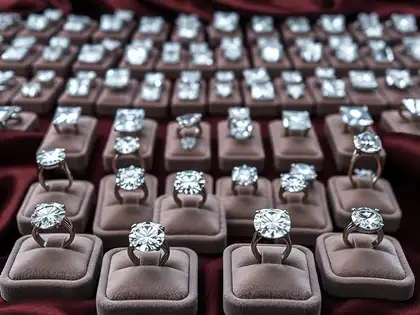
Diamonds have long been symbols of love, wealth, and status. However, behind the sparkle of some diamonds lies a darker story. These are known as what is a blood diamond , also referred to as conflict diamonds. In contrast, a modern alternative—lab created diamonds—is growing in popularity for its ethical and sustainable approach. This article explores what blood diamonds are, how they impact the world, and why lab created diamonds are becoming a preferred choice for consumers.
Understanding Blood Diamonds
A what is a blood diamond is a diamond mined in a war zone and sold to finance armed conflict against governments. These diamonds are often extracted under harsh and inhumane conditions, with profits used to fund violence and rebellion. The term gained widespread attention in the 1990s and early 2000s, particularly in African countries like Sierra Leone, Angola, and the Democratic Republic of Congo, where brutal civil wars were heavily financed through diamond sales.
Workers in conflict diamond mines are often forced into labor, including children. They work in dangerous environments for little or no pay, facing exploitation, physical abuse, and life-threatening risks. Because of this, the international community has taken steps to reduce the trade of what is a blood diamond.
The Kimberley Process
To address the issue of what is a blood diamond, the Kimberley Process Certification Scheme was launched in 2003. This system aims to prevent conflict diamonds from entering the mainstream diamond market by tracking and certifying diamonds from mine to market. While the Kimberley Process has had some success, critics argue that it lacks transparency and enforcement, and does not fully eliminate the ethical concerns surrounding mined diamonds.
What Are Lab Created Diamonds?
Lab created diamonds, also known as synthetic or man-made diamonds, are diamonds that are grown in a laboratory environment using advanced technological processes. These diamonds have the same physical, chemical, and optical properties as natural diamonds. They are real diamonds, just not formed in the earth over millions of years.
There are two main methods for creating lab diamonds:
- High Pressure High Temperature (HPHT) – This method mimics the natural conditions under which diamonds form deep within the earth.
- Chemical Vapor Deposition (CVD) – In this method, carbon-rich gases are used to grow diamonds layer by layer in a controlled chamber.
Both techniques produce diamonds that are virtually indistinguishable from mined diamonds, even to trained gemologists without specialized equipment.
Why Choose Lab Created Diamonds?
Lab created diamonds offer several compelling benefits, especially for socially and environmentally conscious consumers.
Ethical sourcing
One of the primary reasons people choose lab created diamonds is because they are free from the ethical issues associated with what is a blood diamond. There are no human rights abuses or conflicts linked to the production of lab diamonds.
Environmental impact
Traditional diamond mining can be extremely harmful to the environment, involving deforestation, soil erosion, water pollution, and the displacement of local communities. Lab diamonds, on the other hand, require significantly less land and water, and produce fewer carbon emissions, making them a more eco-friendly alternative.
Affordability
Lab created diamonds are generally 20 to 40 percent less expensive than natural diamonds of comparable size and quality. This allows buyers to purchase a larger or higher-quality diamond for the same budget, or to save money without compromising on beauty or brilliance.
Transparency and Traceability
With lab created diamonds, it is easier to trace the origin of the stone. This transparency gives consumers peace of mind, knowing exactly where their diamond came from and how it was produced.
Growing Popularity and Industry Shift
As awareness around the ethical and environmental concerns of mined diamonds grows, more people are turning to lab created diamonds. Jewelry brands and retailers are expanding their collections to include lab options. Even major diamond certification organizations, such as the Gemological Institute of America (GIA), now offer grading reports for lab grown diamonds.
Celebrities and influencers are also embracing lab created stones, helping to reshape consumer perceptions. What was once viewed as an alternative is fast becoming the new standard for luxury and responsibility.
Conclusion
The story of what is a blood diamond highlights the darker side of the global diamond trade, where beauty comes at a significant human and environmental cost. However, lab created diamonds present a solution—offering the same sparkle and durability without the ethical baggage. They are a responsible, transparent, and often more affordable choice for modern consumers who want to make a meaningful difference with their purchases.